Ep. 2 New Era of Property Discovery, with Mal McCallion
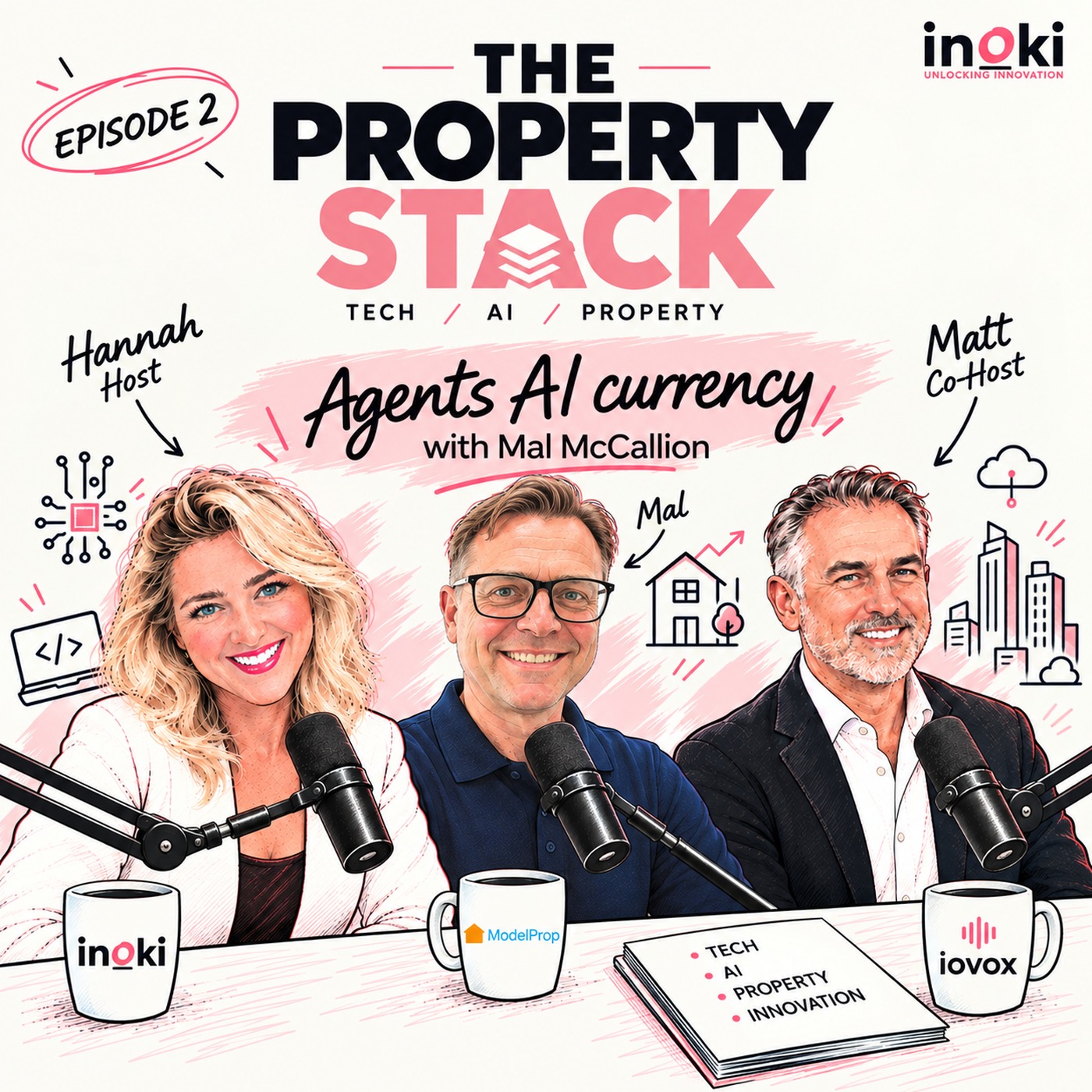
Property search is changing faster than ever. MyPorta’s Mal McCallion on why agents all look the same online, and why trust will win the next era of property marketing.


Buyers used to find homes in the local paper, then on the portals, and now they're starting to ask AI. So who controls how your property gets found next? That's some of the question's covered in episode two of The Property Stack, as Hannah Parker and co-host Matt Gayleard (from our sponsor iovox) are joined by portal veteran, podcaster and founder Mal McCallion, just days after the launch of his new AI native UK property portal, myporta.ai hits the headlines.
"AI only needs to know about your listing once."
Mal takes us through his journey from the property pages of print media to launching two massive names in the portal space and today's new AI search era. He shares what he's been hearing on his Rightmove Resilience Tour, speaking to agents up and down the country about taking back control of their property marketing online, and why depending on a single channel is a bigger risk than ever. Hannah, Matt and Mal also dig into what AI native search really means for how people discover homes, and what agents should be doing now to stay visible.
Guest: Mal McCallion, founder of myporta.ai and host of The Property AI Report (myporta.ai) and CEO of ModelProp
The Property Stack is presented by Hannah Parker of inoki, and Matt Gayleard CCO of our show sponsor iovox.
Mal snippet: I agree that the portals, the Rightmove's, the REA groups, things like that, the big ones are not going to go away anytime soon in a similar way that the well-known publishers or magazines and newspapers didn't go away immediately and are still there in some way, shape or form. I'm sure Rightmove will still be here in some way, shape or form going forwards. However, what I think is going to be very, very, very interesting is the fact that the property exists online once is all that AI needs to know that it is present. So for example, if you have a property on the agent website and on Rightmove and on Zoopla and on Myporta then AI only needs it on one of those. because it will find it. So how then agents think about their content and where they distribute their content and do they need to have it on all these different places. That I think will become an even sharper question for agents as they go through this age.
Hannah guest intro: Today we're excited to be joined by Mal McCallian, someone I've known for many years, both working in PropTech Circles and our time at the Portals. Mal has more than 25 years experience in this space. He was part of the OG team at Prime Location back in 2000 and went on to help launch Zoopla before setting up his own PropTech consultancy. Today, Mal is CEO of Model Prop. An AI-backed prop tech business for UK real estate, and he's the brains behind a new challenger portal called My Porta. This year Mal has been busy touring the UK on what has been dubbed a pretty contentious rightmove resistance tour, introducing a new era of property marketing to agents. I'm really happy to welcome Mal to the Property Stack Show today. I'm Hannah Parker. founder of inoki and presenting alongside me is Matt Gayleard from our sponsor iovox
IOVOX SPONSOR: This episode is sponsored by our partner, iovox the data and AI specialists. iovox tracks every lead back to its source and turns every conversation into a booked appointment or closed deal. I've used iovox myself over the years and honestly, they're just one of those no brainer tools that I recommend to nearly every lead generating prop tech business that I work with. For more information, visit iovox.com.
Hannah: So I'll start off by asking where you are right now in the world, in the country, Mal, where are you? Where's the tour taking you?
Mal snippet: Yeah, so I'm sitting very still happily at my house in Cambridgeshire, a place called St Ives, not the beachside one down in Cornwall, the one in Cambridgeshire. Very, very, very nice. I have been out on my tour up until a couple of weeks ago, seeing 40 locations in 40 days, agents. in all of those places, all the way from North Scotland down to the far southwest, southeast and Wales. And yeah, no, it's been great. you know, basically going out, being able to meet and chat with so many wonderful agents who are all really interested in this new technology and AI, what it's going to do for them, what the opportunities are, you know, little bit about. the risks and the terror side of things. yes, certainly it's been a really, really, really fun time and really, really good to get out there and to see people where they are.
Hannah: Yeah, it's great. There's a lot of stuff there that I really want to kind of unpick and dive into you. But I'm gonna just go first of all. you were part of let's not say created the monster because we we love portals, but you were part of the the the original team in the UK that really created what what is the standard today when we think about property portals, we think about lead generation, and you were really a key person in creating that. Now you're going back in to talk to agents about what is a new era and new change and getting them to think about things in a different way. Where have you seen the biggest changes in that sort of 20-year span of where of where technology has really come into the real estate and estate agency life and how that's now going into a new phase? Where do you see the biggest changes that are happening?
Mal snippet: Yeah, wow. it's, you know, when you look back across some of the 25 years or so since, since we found them. application back in 2000. There's so much that stayed the same, but also so much that's changed. And that's what's really interesting. the job itself, what estate and lettings agents do, which is help people to buy, let rent properties, that job remains the same. And again, I can't remember vividly back in the early 2000s when estate agents would see the internet coming along and assume that it was going to be the end of their jobs. They'd see on the high street that the recruitment consultants had disappeared, the second-hand car dealers had gone, all this sort of stuff, and they were just waiting for the acts to fall on them. But fast forward 20 odd years later, and spoiler alert, nothing's changed in terms of what they do, how they do it is fundamentally different. And the reason why it has not changed, in my view, is that this transaction remains too important to people. you know, when you are sitting there contemplating, you know, for only the second, third, fourth time in your life to sell your property, then doing it alone and running the risk of losing 20, 30, 50,000 pounds. But because you make a mistake or because you can't get competition for the property, et cetera, people in the end will reach for an expert and, you know, only a human expert. And that, I think, is something that was true back then, remains true now. And when we have this conversation in I think will continue to be true then as well, because I think that this... this transaction in infrequency, in the number of changes for regulation and the changes for all of the different processes and procedures, how do you market properties, et cetera. All of those things will have changed so much, but the core necessity of finding your dream home. And this is what drives everybody when they're looking at the property market for that idea of home, is how can they make sure they don't miss it? You know, there are in the UK 30 million properties in the UK, know, two million are perhaps up for grabs or advertised any one time for sale and to let and during the course of a year. what happens if you miss that dream home? this is, you know, I remember particularly when we set up Zupa back in 2008, we were relentlessly talking about, you know, abundance of listings, you know, that how do we make sure that there is more and more listings on this particular property portal? Because that is what draws people in. So back in 1998 you had to go to the newspaper, fix the back section, you'd see a subset of properties and then you go and register with the estate agents and that was how you do it because that was the only way you could do it. Importance came along suddenly there was much more availability, the ability to see much more broadly this aggregation of properties and actually be able to then be much more specific about what your dream home was or is to an extent. You were still filters. So there were still two beds, location and your budget. And then essentially that would filter out the properties that might be appropriate for you. And there was still some work to do to kind of dig in and try and make sure that that's within the right kind of distance. to the train station and so on. And that consumer behavior change from print to online, that was huge. And that really was the thing that kind of moved agents away from their reliance on the historic medium that was print. Now I think we're going through a similar thing, you know, with the change in consumer behavior from the internet and portals and kind of searching for things. Now discovery, which is essentially just being able to articulate your lifestyle. your dreams, who you are. into AI and for AI to then go away and find interesting and different and specific properties for you. I think that's the moment we're at right now and that to me is what's really, really exciting and why I think that actually we are again at the kind of the dawn of a different era of property discovery where people are going to be much more able to get closer to what their dream home is and people will move that way because it's so important.
Hannah: Yeah, it's really interesting how it changes but it doesn't. It's still the same, you know. I I started as an estate agent myself, like you still do the same thing you're doing now. but yeah, you're right how you do it it is different. And kind of digging into that, and I'm I'm gonna ask Matt the same question because I think maybe you have some insight here about this in terms of kind of lead generation and and the discovery, what how you were describing it, Mal, is Where do you both think that the shift is now happening from agents having ownership of that, more ownership, more involvement in that discovery and education phase? Or are they still wanting technology solutions such as the portals to manage that one and just generate the lead for them? Like where is that balance shifting of control of when and how they communicate with those early leads? I'll ask Matt first because you've probably got a different
Matt Gayleard: Okay.
Hannah: take on this across different sectors as well.
Matt Gayleard: Yeah, I I I think I I agree with Mel. I think we're at the we're at the beginning of a of a seismic shift and we have no idea where it's gonna end up. know looking back on the internet it's kind of inevitable that it's ended up where it has but when you're at the that end looking forwards you had no idea. I was in retail way back then and we were talking about multi channel and omni channel and all of these things. so I I remember that and and I think the key thing that changed there was the the shopper journey used to be that someone would spend you know a month of weekends going out looking at buying a car, buying a house, whatever and out on the road and you now do all of that discovery at home. And you don't on laptop anymore, you do on your phone, you don't do it the internet anymore, you do it on an app. So I so again I think the consumer behaviour of discovery hasn't changed, but I think their ability to do it from the comfort of sofa is probably the biggest thing. What does that mean about search and and advertising and how we go out and you know, as you know, the sellers or the agents, you know, how they market their wares and for consumers. I I think the current model is gonna s stick around for a while, yeah, but I think it's gonna sort of nibble around the edges and and morph and it and and evolve rather than there be a kind of seismic kind of change. It took a long time for print to change. You know, I was back in marketing then and print And outdoor was still really, really important for a really long time until it wasn't, but it wasn't a kind of overnight thing. I think there are early adopters and the people who are using AI like us as part of our day job, who go to it very quickly, automatically for anything and everything, and there are other people who have just kind of hardwired to continue to you know use the the tools that they've kind of been using for a long time. So I think there's an early adoption and then there'll be this sort of mass adoption that will probably come because someone invents an app. That makes it easier. And I'll give you an example. Way back when I was at Orange and we had video telephony and You know, Apple came along years and years and years later and had, you know, FaceTime. as if they invented it. They just created a a consumer experience that was that was really nice and easy. And another technology was the ability to f know where other people were by mapping their GPS on their phone. and everyone was like, No, that's creepy, I don't want people following me around stuck with me and then Snapchat came out and everybody would have to share their avatar on the map with anyone everywhere. So I think I think there'll be a similar shift where someone just makes it really easy and Intuitive and simple, and I think that's where the top technology will go. so I think in this context, I think you know there's still an important role, and it's about you know, if I was an agent, it's about where do I spend my advertising pounds? where am I gonna go out and and kind of market my products? And it may be that that mix changes, and I think the other thing that I'm observing more and more and more is people are needing to and wanting to evaluate. value the data for attribution more and more. Whereas in the past that they knew that 50% of the leads that were coming in never reached the person they were intended for. Now they want to know which 50% and they want to know what they can do about it. And then they want to know where they can reinvest on where it is working and maybe devest where it's not. See so I think attribution is becoming more important. Having technology and tools that make that easy in the past it to the smart person with a spreadsheet a lot of hours to figure out each month what happened. If you've got a dashboard that's telling you real time you can make real time decisions. So I think and I think access to information in a way that you can use it in a more informed way, I think that's gonna be the biggest thing that we'll see from AI in the in the immediate term I think.
Mal snippet: Yeah, I think I agree with that. think the questions are going to be very much more kind of finessed and, as you say, direct about, actually, what is the value of this particular challenge? you know, actually, what is it delivering to me? What does that mean from a return on investment point of view? And, you know, can go back to, I think was 70, 40, was like, know 50 % of my marketing is working, but I don't know which 50%. You know, that level of vagueness, I think, is going to start to really be peeled back by AI's at least being able to wait attributions. So actually kind of say, right, you know, this lead, 60 % of the work was done here, 20 % was done there, and so on. So that kind of allocation of RFs I think it's going to be much, much more easy. I do think it's going to be really interesting in terms of what questions that poses about perhaps particularly your second or third portal. So again, I agree that the portals, the Rightmove's, the REA groups, things like that, the big ones are not going to go away anytime soon in a similar way that the well-known publishers or magazines and newspapers didn't go away immediately and are still there in some way, shape or form. I'm sure Rightmove will still be here in some way, shape or form going forwards. However, what I think is going to be very, very, very interesting is the fact that the property exists online once is all that AI needs to know that it is present. So for example, if you have a property number three, in you have new on the agent website and on Rightmove and on Zoopla and on Myporta then AI will, AI only needs it on one of those. know, so because it will find it. So how then agents think about their content and where they distribute their content and do they need to have it on all these different places. That I think will become an even sharper question for agents as they kind of as they go through this age. similar to you, I think that we will see everything being similar for a while and then suddenly not. And I do think that that is going to that agents are going to start to wonder what happens if they only put you know, a subset of their properties up on this particular area and then a subset, know, that's much more specialized over here and over there. And I think that again is going to it's going to be an interesting behavior from the supply point of view. think from the demand point of view as well, consumers, as we've said, are starting to ask different questions. Yes, it's not, you know, phenomenally widespread, although I think data from the voice of the agent, Simon Ledbetter, is a very good report that asks thousands and thousands of people something like, you know, twice or three times as many people are using AI in their property search journey than are using it in their day to day. It is becoming a real kind of important step of understanding what the area is like and how close it to the school and so on and so forth. So that richness of information you can get from AI has started to become important. And I think that again is going to drive interesting changes in behavior when it comes to, am I looking for a particular listing or am I looking for a lifestyle? And I think that's going to be a question that people are increasingly going to be asking themselves. Yeah, exactly right.
Hannah: What comes first? yeah, I I I I completely agree and I think it's it's really interesting to see how consumer patterns are forcing some of this change. But I have seen Some pretty shocking tech digital experiences from agent-owned websites or apps when they try to do some of those. And I mean I've seen some great ones as well, but there there have been some really bad ones where you know the the basics of user experience and even accessibility are just out the window. And for a long time I think the agents just felt, well, you know what? That's not my job. That that's the portals, right? They take care of that, they're the experts in this space. We take care of the personal touch of selling a home. That's our service that we do. Is that changing now though? With the cost of software coming down, with like technology teams just did not exist in in estate agent groups traditionally, but now with the accessibility of being able to build it yourself, you know, being able to go and use some some of the the tooling where you can create your own website within a you know a few even badly placed prompts, is that now gonna see the power shift over to the agents trying to do Do it yourself more.
Mal snippet: I think that there is a truism that I find myself repeating a lot, is just because you can doesn't mean that you should.
Hannah: That should be a tagline on every LLM.
Matt Gayleard: Ha ha.
Mal snippet: So it is going to be possible, of course, and is possible right now. know, as I was going around doing the tour, one of the things we were showing was how with Claude Cowork, you can actually spin up a landing page for a particular area that you're targeting with all of the stats about, you know, some properties and all that sort of stuff, and with why they should use you as an agent in that particular area. And literally it took minutes and was mind blowing. So there will be an increasing move towards this. And I think your point is really important. I think that the way I think of it is that AI is going to enable people or enable all of us to be unique at Skype. So all of the things that used to be the things that made you choose one agent over another, that really has kind of got lost. Again, to your point about the portals doing a lot of this for agents, you only have so many pixels for your logo. on a portal, you only have so many characters for your description on the portal and then the properties. So differentiation between estates and lettings agents has become really hard. You essentially the first interaction usually people have with a multitude of their local agencies, seeing them on Rightmove and there's nothing to tell them apart. So when they come around and start talking about, you know, why they should go with them or anything like that, generally people can default to price. They well, that's fine, but you all look the same and you're cheaper than you, so I'm going to go there. think AI is going to enable is for everybody to remind themselves first, importantly, and then the wider community of what makes them different. One of them has been around for 146 years. One of them is the fastest seller in this particular area. One of them does have 17 shops within a certain mileage. And those points of difference, those USPs are going to become so much more important. that I think that actually it's weaving those narratives that proper full marketing of the business, of the promise, of the vision, the mission. Those things are going to become so much more critical to standing out locally because make no mistake, there will be a competitor or two who are going to be amazing at this. really amazing and everybody's going to have to up their game because otherwise you are going to be left behind. yeah, I think any pages listening out there right now, really, really, really start to think about what were the one, two, three things that really set you apart. And right now start to leverage those, start to make sure that that is the thing that people really, really know about you. And yes, you can build some like pageant or co-work, they're amazing. But also get your people talking about them because, again, What I think AI is going to do is it's going to free us from our screens. We're going to have machines doing the machine jobs, humans back out doing the human job again. And I think that's going to be really, really good for local community-based agency for sure.
Matt Gayleard: Can I can I kind of build on it and ask a question? So when you did your forty days tour in forty locations, which sounds impressive and exhausting. having having
Mal snippet: Thank you.
Matt Gayleard: spent that amount of time out on the road in the past myself, what were the were there any particular trends or anything that you that you kind of kept hearing or things that you learnt that surprised you in getting to speak to so many people in such a short time?
Mal snippet: Yeah, so I think probably with the exception of London, and I think London would be the exception because it has such a high density of very tech savvy kind of sellers, which kind of drives agents to be a bit more tech savvy, I would argue. Certainly out in the country, think there was a lot of curiosity, but not very much kind of action. And this was the last one. What I did find was I did the same tour a year ago, a year before. And back then, know, virtually nobody was using chat GPT. This time, everybody was using chat GPT. Some were using Claude. So I thought so usage was was very significantly up. outside of London, I think everybody was still quite tentative. You know, the biggest question I was always asked was about kind of, you know, jobs and, you know, does this, you know, stand in for? particular roles and things like that. And again, you know, I think that as. as the technology matures and as we mature as consumers of it, just like every shift before, jobs will morph into each other, things will go by the wayside and then suddenly we'll have a whole new category of orchestrator or something as a job inside our businesses. So, yeah, in terms of what was the same, it was very much kind of similar level of curiosity without necessarily deployment. And what was kind of different was that there were kind of three different levels in the room. of agent, some who had just started using JGBT, some who were, you know, considered, they were interclawed and were trying other things. And then there were some that were kind of, or very few, who were sort of the top end, who were starting to really kind of build out AI agents, you know, have their own kind of, you know, almost like an AI board of different personality, AIs that they could call on and things like that. So that was kind of what we were seeing out there. yes, broadly speaking, usage increased significantly over the last year. And certainly I think that the capability of these businesses to actually adopt the technology has increased significantly as well.
Matt Gayleard: Great. Thank you.
Hannah: You think there are there are still hesitancy and blockers at some level in some organizations to be hesitant to adopt some of these? Is there is it is it trust, is it skill?
Mal snippet: I think the most important currency in the world of AI is going to be trust. And I think, we are going to be so freaked out by seeing things that we're looking online that we know aren't true, but look so true that actually that the brands that command trust and continue to, you know, be very open about their use of AI. So, you know, actually if you're using AI in an image, they tell people, if you're using it, just make sure that you are informing people about what you are doing. In terms of the trust in the technology and trust in, you know, deployment in terms I think there are people who feel under threat, know, and again, this is quite a broad statement, but it's just sort of indication. When we have like marketing directors or people like that present, then there tends to be a... a bit more of a concern, I think, around what's possible with AI in terms of being able to do a lot of marketing jobs and things like that. I think that you find concerns about deployment in the larger organizations that actually... does that paint a big kind of target on their back for regulators? The expectation that some of the smaller one, two, three branch firms can probably have a bit more experimentation without necessarily anything going too dramatically noticeably wrong. But the larger the chain you get and the larger the agent, think there is that trust and that risk and concern that actually is it going to kind of break things and kind of go into my customer data and reveal it to the world. So yeah, there is caution. Again, I do think the smaller agents are at something of an advantage here because they can probably try a bit more without necessarily breaking too much. Yeah. Yeah.
Hannah: The risk is lower, yeah. They can they can play more, yeah.
Mal snippet: Yeah, and again, everybody out there, need to be playing. This is really important, whether in your personal life, whether in professional life, it is getting so much better all the time. Every single day, there is something new coming out that is mind-blowingly awesome. The only way that I know anything about it or I know what the next capability is, is playing around with it. And don't be afraid of it. Yes, keep away from your data for now, but get it doing things like building landing pages and asking questions about what's the average sale price in this very tiny postcode. One of the things that I've become increasingly focused on is when you're going out on a market appraisal or when you're going out to see a landlord, when you're out to see a vendor, can you actually create a little, even if it's just on your laptop or just on your iPad, a little HTML kind of website that looks like a website, doesn't have to sit on the internet, using something like Plot Code or ChatGBT work. just for that person's property. you know, put in anything history you can about the area or anything, you know, any stats that you can pull together and make it so personal to them that actually it's almost like, well, you know, this person seems to know so much more about my property than anybody else does. And actually those are the kinds of things that I think the best agents are going to be really, really kind of doubling down on pretty soon. So I think getting ahead of the game, understanding how you can do that and you can right now, I think that's going to stand people in great stead.
Hannah: You you're I mean you you're a super advocate obviously for for AI, specifically like you talk about it at length in the podcasts.
Mal snippet: What the?
Hannah: you you experiment loads and and able to give us feedback which is which is really great. but I I do appreciate and the th I'm taking the three of us out of the equation because you know, we don't represent the norm, right, of the industry. We're all working within technology, we all have an appetite for AI and learning. Th this is not the normal for everyone. And there is a a sense of just overwhelming feeling of anxiety, of there there are things changing all the time. It's constantly I get asked things, and I'm sure Mal, you get asked some of this stuff all the time. Matt, I'm sure you do too on your on your rounds with your customers, is for somebody who's not maybe ha has an experience within technology, is a bit more fearful of it, where do you start? Like where would you recommend somebody who is like going from zero right now? It's like, where do I start? I want to learn, I want to embrace it, I want to understand, I don't know how to start. What would be I'm gonna ask both of you, but like Mal, I'll ask you first, like what would you be your first bit of advice for that person?
Mal snippet: Okay, so the first thing to do is to get ChatGPT and to pay your 20 quid a month, even if it's just for one month, just so that you can get onto it and get the best level of intelligence in ChatGPT. When you're in ChatGPT, there is something called custom GPTs. Okay, so as you look on your ChatGPT panel, left-hand side, there will be something called more, go to more, go to GPTs, and you will be in the custom GPTs. Now in here, you can create a co-director of your business. or a co-manager of your branch or a co-assistant for your particular area of whatever you're doing in the business. So with that AI co-worker, it will allow you to put in a prompt and you literally say something like, I run an estate agent branch in Basingstoke. This is our brand. This is our website. I want you to be the most amazing co- manager of this area for me. I want you to think about strategy, think about what we're missing, think about where we can go, blah, blah, and you can find all the information about us from this website. Once you've done that... And then saved it. Then what you've got is a trained AI that knows everything about your business. And you can then ask you questions such as how do I win more valuation? How do I increase the number of landlords I've got from this area? You know, what actually should I be doing to speed up this particular process? And it will tell you really, really cleverly different ways, some of which you will already be doing some of which you will have done and then decide not to do, but there will be some gems in there. And that to me is just the very easiest way of actually just starting to understand the power of this technology and making it really hyper relevant to you and your business and enabling you to kind of then from there start on the journey, the AI journey.
Hannah: really really great advice for someone starting out. Matt, any any different different tools or things that you use?
Matt Gayleard: I I I agree with everything Mal just said and I think what I would add to it is if you have a specialism You're an estate agent, you've been doing this a long time, you know what you're doing, but you're not particularly techie and you haven't ever used AI before. And I do think there's a lot of people who fear starting because they don't want to look stupid. So should I go on a course? Should I watch a YouTube video? Sure, yeah, and we and we all sort of throw around the statement, you should just play with it. But if if you're not techie, that's quite it's still a big barrier to start. So I completely agree. Download the app on your phone so you have access, pay the twenty pounds Whether you prefer Claude or Chat GPT. And then I think the advice I would give that sort of builds on what Mal just said was if you don't understand how a LLM works, it's not like going into Google where you put in a search term and then you spend a huge amount of time sifting through people who are actually just trying to sell you stuff. You're having a dialogue and you're having a conversation. So don't expect to just put in a search term, find me X, and then it will find you 20 sites. It's not it's not Google. Is expect to have a conversation. Have a dialogue and talk to it like you would a person. You know, I think exactly what Maldus said, you know, I'm an agent, I live in Canterbury, I'm really good at this, our particular specialism is XYZ. go away, look at this website, and you basically you're you're sort of telling it the word is prompt. Mm-hmm. Like you would a really smart intern. This is who we are, this is what we do, here's some information, go away and learn about it. Now we can start having a conversation. And I think what you'll find is that when you've got a specialism and a deep level of knowledge in a sector and you're having a conversation, you'll go, Well, that's exact you've just said what I've always known but better. You've said what this but you've added a bit that I was missing. And then I would say is don't leave your discernment behind either. So dialogue, talk to it like you talk to a person. You don't have to be clever. Even clawed code is You just talk to it like a person. When I started Global Code, I almost felt a bit cheated because I thought I was gonna learn to code. I didn't, I was just asking it to do stuff and then it did it. so dialogue, talk to it like a person, and then discernment. You know, don't leave your brain at the door. Go, is that true? Is that right? that's a really good point. But I think you've gone too far that way. What if this? And then it'll go, yes, Mal, you're right. We could do this and this. So again, have a conversation with it and and don't just expect to kind of put in one prompt and get a finished article probably expect to have a conversation for 20 minutes and there's gonna be several back and forths like you would a person and what you'll get from that is really exciting and you'll go wow that's amazing and I think that's what we say by having a play is kind of have a conversation I think that's my advice for somebody starting out.
Hannah: Yeah, I think learning how to prompt is a is a is a great is a great first entry. It will also save you a lot in tokens in the future.
Matt Gayleard: Ha ha ha.
Hannah: I it's it's sad, there's a whole generation that will never understand what hello world means anymore. Just bypass
Mal snippet: I don't know.
Hannah: it. about I I I wanna just ask a little bit about My Porter and how you are bringing something hopefully new, hopefully different, and something like what's what's the gap that My Porter is bringing to the industry? I'm really intrigued about this.
Mal snippet: Thanks. So our kind of focus again kind of comes from the idea that people have constantly have always been looking for their dream. Right now they've had to make compromises along the way. Back in the print days it was, very, you had very little view of what was really out there. With the portals, everything is kind of organized by filters. So, you know, if you did want a sea view. with five minutes walk to the train station and near a great pub, that wasn't necessarily something you could discover yourself. Now with the world of AI, you can. And that's really the kind of jumping off point for my portrait is why don't we build something that utilizes this amazing technology where you can literally ask for anything and it will go away and it will source them. Now, one of the things that is true is that if you go to chat GPT or to Claude and you do a property search and again, you ask Steve you near a great train station,
Matt Gayleard: Yeah, it's pretty good.
Mal snippet: et cetera, then you will get back probably five properties, three to five, okay? And you will look at them and they will be perfect. They'll be absolutely brilliant. But then you go, are there any more? And it will go away go, yes, there are actually, and here's some more. And that kind of, that speaks to the fact that ChadGVT hopes that it finds the right answer for you with these five. And then if you ask it again, then it'll go away and find some more and find some more. So as a searcher, that's really uncomfortable. because I start to worry, know, FOMO, that actually I haven't seen everything. So what my portal does is essentially it does that job across the whole market and actually answers that question for you in completeness. And then we'll send traffic through to the agent website or whatever. So what we think is that consumers want to be able to see everything, describe their lifestyle. get back the right results and those results not to have any sort of corruption, not to have any featured properties or things that know, the porters want to show rather than actually I want to see. And that's really been our kind of focus is, know, can we build something that actually answers the question honestly and openly and completely? This is my dream home. Is there anything like that out there? And that's really where we've been focusing.
Hannah: So you've just destroyed the monetization model of most marketplaces.
Mal snippet: Well, so I'd argue AI did. We're really doing
Hannah: Ha ha ha.
Mal snippet: it. So no, no, I think, you know, when. sure, sure. Yes. So, so consumers,
Hannah: Where does the monetization go? Like, you know, to create all these businesses, we have to make money.
Mal snippet: know, so, so consumer upsells, things like that, you know, are there things that they want to buy that are, yeah. Well, one of the great things about when you have a conversation with what essentially is acting as a sort of buyer's agent is. that there is trust that develops there. So when you then ask, you well, I need a removal firm, then there is an opportunity to introduce removal firms. So, know, what am going to do about broadband? Then there is that opportunity. And the opportunity also comes to kind of prolong that relationship further on. So we've rather than just being a portal for, you know, moving house and things like that, you're also helping them live well in their home. Then there are many, many more kind of opportunities and points where you can you can speak to them and you can you can help them. But at the core, we spoke about this right early on, is trust. What we're serving up is not a kind of specific list of features or things that we are paid to show you. It is much more about, this is what we think is right for you because we know you. So that's really where I think I see it going. There were some great ads back in, I think it was back in the Super Bowl last year, early on this year, where Claude Anthropic was going up against Chad GPT and was making great of the fact that Chag GPT, instead, they're to have adverts inside Chag GPT. And I think consumers in the world of AI will struggle with that and will continue to struggle with that. again, I think that the opportunity is building trust and then being able to look at opportunities that come from that consumer side.
Hannah: Yeah, I I f I fully agree with you on the trust front, even just going through, you know, recently me experiencing these wildfires in France and desperately trying to find, you know, updates and news and what was going on and trying to find places, sources that I could trust. You know, you I suddenly saw these videos and it's like, that's AI, that's not that's not real. But how easily the media is manipulated, people are manipulated, fear was created by things that weren't trustable or weren't there. And I probably spent three times as long as I would normally trying to make sure that the sources that I was looking for were trustable. and that's in a moment, you know, of kind of deep a panic. When you're going through something, you know, big like making a massive decision, the biggest financial decision of your life of buying a property, knowing who to trust, I fully agree with you, I think is going to massively set apart the the the the players out there, which is why the number one leading players probably have more longevity in them because they've got such high street trust. You know, in the that the the consumer sat on their sofa trusts this brand. They've been around for a long time. So i new players coming in, it's hard to build that, but if it's done in the right way, then then
Mal snippet: apps.
Hannah: I I think it will be successful.
Mal snippet: Yeah, and thanks. And yeah, we're obviously partnering with a lot of agents out there who, you for whom
Hannah: Who have trusted branding.
Mal snippet: exactly right, you know, so there is that kind of borrowed halo effect. And yes, you know, our goal is to be the most trustworthy place to find a property. that's really where everything is aimed right now.
Hannah: Well good luck. It's it it's super interesting to to hear.
Matt Gayleard: It's for me.
Hannah: Thank you so much for sharing your your your wisdoms. for those of you who haven't caught the the podcast that you host with Matt, it's the property AI report.
Mal snippet: That's right, the pair, yes. Probably our reports every week. Generally, we try and get it out on a Friday, kind of ends up being a Saturday. But yes, it's always good fun. And yes, just generally, anything to do with property, anything to do with AI, we keep out on. It's great.
Hannah: It's very good. I highly recommend it. I'm a subscriber. And if people want to get in touch with you, Mal, what's the best way to reach you?
Mal snippet: Thanks. Our best way is to reach me mal at myporta.ai. That's M-Y-P-O-R-T-A. Myporta.ai. Mal at myporta.ai. All I'm on LinkedIn.
Hannah: Mel at my quarter dot AI and they can reach you directly air. so I'm just gonna have one l final question that I'm asking to everyone. and that is if there are any really great products, it doesn't have to be to do with real estate, with anything, that you have discovered in your your AI inquiries, your technology inquisitiveness. is there anything that you've used recently that you've thought, my God, this is awesome?
Mal snippet: I'm putting aside some of the video ones which are insane. So, C-dance 2.0 and now C-dance 2.5 is like crazy
Hannah: Help C
Mal snippet: good. So we did some advertising for the tour and basically we put into it essentially just a photo of me and asked it to generate essentially different videos for each of these places. So, know, what would Brighton be like in the background? So I'm walking through Notion for Brighton and it's got like, you all different to that. different styles, what's different to Cardiff and all that sort of thing. So, CDAS is great but it's quite techy. The thing that's really good and accessible is Notebook. Okay, so Google Notebook or Notebook LM is amazing. So you can put anything in there. You can put the entire Renters' Rights Act in the UK into that and then you can talk to them. You can also then get it as a podcast. So you can click on audio overview and it will actually create a three to four minute chat between two AIs about a Rent as Right Act. And then you can also have a place and you get all these things. It's just phenomenal. yeah, anybody out there, you can also do it for individual properties. So you can actually put in a listing from your website of a particular to just put the listing URL in and it will create this podcast. And if, for example, you've got a part-time member of staff who only goes out weekends to viewings, you can give them that podcast. they're driving to and they can hear all about the property, all about the area, all that sort of stuff. It's so versatile, so good. Genuinely have a play around with it as well.
Hannah: I will definitely have a play around with that. thank you very much. Matt, anything else from you? Well well we've got Mel in the hot seat.
Matt Gayleard: no, I I agree with notebook LM. I think it's a great tour. I've had some great fun with that. I'm somebody who enjoys consuming podcasts and listening to books. So quite often if I get something that's really dense and a bit dull but important, I might drift off. I'd I'd I'd I've done that where I've loaded it into Nobo LM and I just go, tell me. And then it just makes a little podcast for and I walk the dogs while I'm listening to it. So so for a l someone lazy like me who would rather listen than read. it's been game changing. I can you know I think that's really it's a really great talk.
Hannah: But having your own Blinkist, I think the app was where it would give you the bite size but making your own Blinkist.
Matt Gayleard: Exactly. Yes, exactly like that. And and what I've noticed in in the last years since I've been using Noble LM, before the only way you could kind of influence the podcast was by the content that you put into it and you what you got was what you got. Now you can actually add a prompt to kind of say, make it more like this. So you can actually tell it what kind of podcast you wanted to make, whereas before it just it would go off in a random direction and be broadly right. Now it's you know, you it's a bit more drivable, which I think is pretty cool.
Hannah: We can have your voice, Matt, in the style of Matt Galen. Give me the
Mal snippet: you
Hannah: podcast.
Matt Gayleard: Exactly. Exactly. Yeah. Make sound clever, please.
Hannah: Mal, thank you ever so much for joining us. It has been super interesting for me. It's been great to find out a lot more about especially around the My Portugal and what you've been up to and really hearing from the ground upwards about how these changes are affecting people. I think it's really important that more people hear that actually and and understand what's going on. So thank you so much for your time.
Mal snippet: genuine pleasure. It's been really great, really enjoyed it and great to catch up with you both.
Han end pod: Thanks for listening and thanks to Matt and all the team at iovox for the questions. If you're working in property or tech and want help with growth or product innovation, then talk to me, hannah at inoki.agency Otherwise, see you next time. subscribe and like.

CEO / Founder
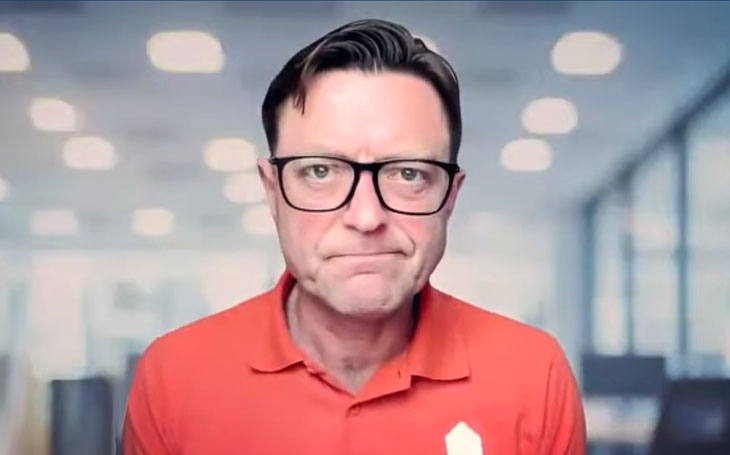
Mal McCallion is CEO of ModelProp and founder of new UK based AI property portal MyPorta, with a portal track record that includes being part of the OG team at Zoopla and Primelocation. When launching MyPorta, Mal took on a 60 locations in 60 days tour, meeting estate agents up and down the country. On the show, Mal talks about how property discovery is changing, why so many agents look the same online, and why trust will matter most in the new era of property marketing.